
Want more wrestling news, rumors, and results? Be sure to visit PWInsider.com and PWInsiderXtra.com.
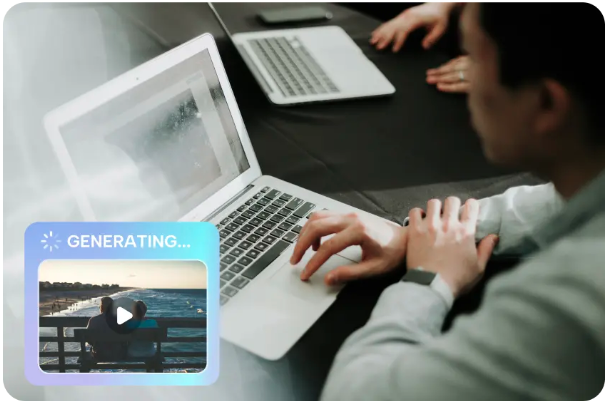
Professional wrestling inspires conversations that continue long after the final bell. Fans debate match outcomes, analyze rivalries, revisit memorable performances, and share predictions about the direction of their favorite promotions. Digital platforms have expanded these conversations by giving enthusiasts new ways to create commentary, visual presentations, and original stories. A free ai video generator can help fan creators explore visual concepts for their projects, making it easier to develop engaging presentations while keeping the focus on wrestling knowledge, original ideas, and responsible content creation.
Wrestling has a distinctive relationship with storytelling. Matches are often connected to ongoing rivalries, character development, championship ambitions, and dramatic turning points. For fans, understanding these connections can be just as interesting as discussing the athletic performance itself.
This creates opportunities for a wide range of fan-produced content. Some enthusiasts enjoy analyzing the structure of a major match, while others focus on wrestling history, promotion comparisons, memorable entrances, or the evolution of particular performers. Podcast hosts may want supporting visuals for their discussions, and independent writers may use short videos to introduce their articles.
These projects do not need to imitate professional broadcasts. A thoughtful explanation of a storyline, a historical timeline, or a discussion of how audience expectations have changed can offer genuine value to fellow fans.
The most compelling fan content usually begins with a perspective worth sharing rather than an attempt to reproduce something viewers have already seen.
A clear subject makes a wrestling video easier to plan and more rewarding to watch. Before creating anything, a fan should decide what the audience will learn, discover, or discuss.
A historical feature might examine how a championship became important to a particular promotion. An event preview could explain the stakes of an upcoming contest and summarize the questions surrounding it. Another video might explore how a rivalry developed over several appearances, highlighting the decisions and moments that shaped the story.
Each format benefits from a logical structure. An introduction establishes the question, the main section presents relevant context and analysis, and the conclusion explains the creator's interpretation or invites a thoughtful discussion.
This structure is particularly important when covering complicated wrestling histories. Promotions, title lineages, character changes, and event timelines can become confusing if information is presented without context. Organizing the material helps viewers follow the argument and distinguish documented facts from personal opinions.
Visual presentation can make wrestling analysis easier to follow. A creator discussing a tournament might use an original bracket graphic, while a historical feature could include a timeline of important developments. A podcast episode might benefit from a title card and supporting visuals that help audiences recognize the subject.
Original graphics, authorized photographs, properly licensed footage, and clearly identified illustrations offer different possibilities. The appropriate choice depends on the subject and the creator's rights to use the material.
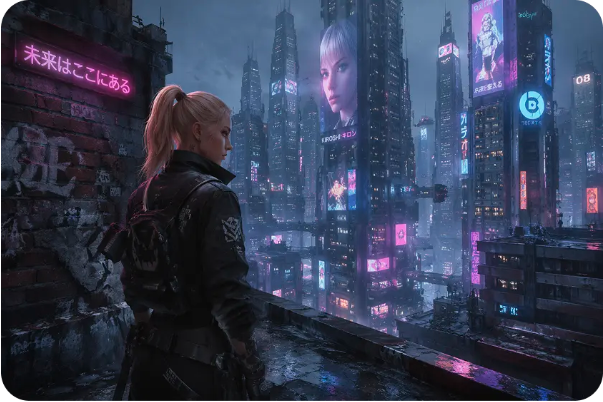
AI-assisted creative workflows can also help creators explore concepts before committing to a finished presentation. For instance, an independent commentator might experiment with the atmosphere of a fictional arena or develop an original visual theme for a series about wrestling history.
Dreamina is one option for exploring AI-supported visual concepts, although creators should assess the suitability of each output and review the relevant usage terms before publication.
The objective is to support the analysis, not to make illustrative material appear to be genuine footage of a real match or performer.
Many wrestling enthusiasts create content alongside full-time jobs, studies, or other commitments. They may have strong knowledge of the subject but limited experience with professional editing software or video production.
A free ai video generator can offer a starting point for exploring visual approaches and preparing concepts for original fan projects. This can be useful when a creator wants to develop a presentation without immediately organizing a complicated production process.
However, accessibility does not remove the need for planning. Creators still need to prepare a script, verify their information, choose appropriate visuals, and check the finished result. Automated outputs may contain inconsistent details or elements that do not fit the intended subject.
A practical approach is to begin with a small project. A short historical explainer or an introduction to a wrestling discussion series provides an opportunity to learn what works before investing more time in longer productions.
Wrestling content frequently involves protected footage, entrance music, promotional photography, logos, and other intellectual property. Material being available online does not automatically grant permission to reuse it in another video.
Creators should review the relevant platform policies, licensing conditions, and applicable copyright rules before publishing. Commentary and criticism may receive different treatment under certain legal frameworks, but the position depends on the circumstances and jurisdiction. There is no universal rule that every short clip can be reused freely.
Original commentary, self-created graphics, and independently developed analysis can help establish a distinctive creative identity. Nevertheless, adding original material does not automatically resolve the rights associated with any third-party content included in a project.
Creators should also avoid implying that a wrestling promotion, performer, or broadcaster endorses their channel unless that relationship genuinely exists. Clear presentation helps audiences understand when content is an independent fan project.
Wrestling communities often discuss backstage reports, possible signings, contract developments, injuries, and rumored storylines. These subjects can attract attention, but they require careful handling because speculation can easily be repeated as fact.
A responsible creator should identify the source of a claim, distinguish confirmed announcements from unverified reports, and avoid exaggerating information to generate clicks. When discussing a developing story, it may be better to explain what is known and acknowledge what remains uncertain.
This approach can make a channel more credible over time. Fans may disagree about predictions or creative decisions, but clear sourcing gives them a stronger foundation for meaningful discussion.
Visual presentation should follow the same standard. An illustrative scene should not be used to suggest that a rumored backstage event actually happened, and fabricated quotations should never be attributed to real performers.
A consistent format can help audiences understand what a channel offers. One creator might specialize in historical retrospectives, another in match analysis, and another in explaining wrestling business developments. A clear focus makes it easier for viewers to decide whether the content matches their interests.
Consistency also involves presentation. Creators can use a recognizable title style, thumbnail approach, tone, and episode structure while allowing each video to develop its own argument. Reusable templates may reduce repetitive work, but the substance of every episode should remain specific to its subject.
Publishing schedules should be realistic. A manageable schedule that allows time for research and editing is generally more sustainable than a demanding routine that leads to rushed or repetitive content.
One of the greatest strengths of wrestling communities is the variety of opinions they contain. Fans may interpret the same match differently, disagree about a booking decision, or have contrasting views on a performer's development.
A well-prepared video can encourage these discussions by explaining its reasoning and acknowledging alternative interpretations. Ending with a focused question may invite viewers to contribute their own perspectives without turning the conversation into a contest of personal attacks.
Creators can also establish moderation standards to keep discussions relevant and respectful. Criticism of a performance or creative decision does not need to become abuse directed at the people involved.
Creators can assess their work through several indicators, including viewing duration, audience retention, comments, returning viewers, and engagement with related articles or podcast episodes. The most useful measure depends on the purpose of the project.
A short event preview may aim to encourage discussion before a show, whereas a historical feature may be designed to remain useful for months or years. Comparing these projects using the same narrow measure may overlook their different objectives.
Feedback can help creators identify which subjects deserve deeper coverage and where explanations need improvement. Still, popularity should not be the only consideration. Accurate, original, and well-researched content can contribute to a community even when it does not immediately attract a large audience.
Digital production tools continue to expand the options available to wrestling fans who want to share their knowledge and creativity. Yet the strongest projects still depend on subject expertise, original thinking, careful sourcing, and respect for intellectual property.
By combining accessible production methods with thoughtful analysis, fans can create content that adds something meaningful to the wider wrestling conversation. Whether the subject is a historic championship, a developing rivalry, or the changing relationship between performers and audiences, a clear point of view remains the most valuable part of the story.
If you enjoy PWInsider.com you can check out the AD-FREE PWInsider Elite section, which features exclusive audio updates, news, our critically acclaimed podcasts, interviews and more by clicking here!