
Want more wrestling news, rumors, and results? Be sure to visit PWInsider.com and PWInsiderXtra.com.
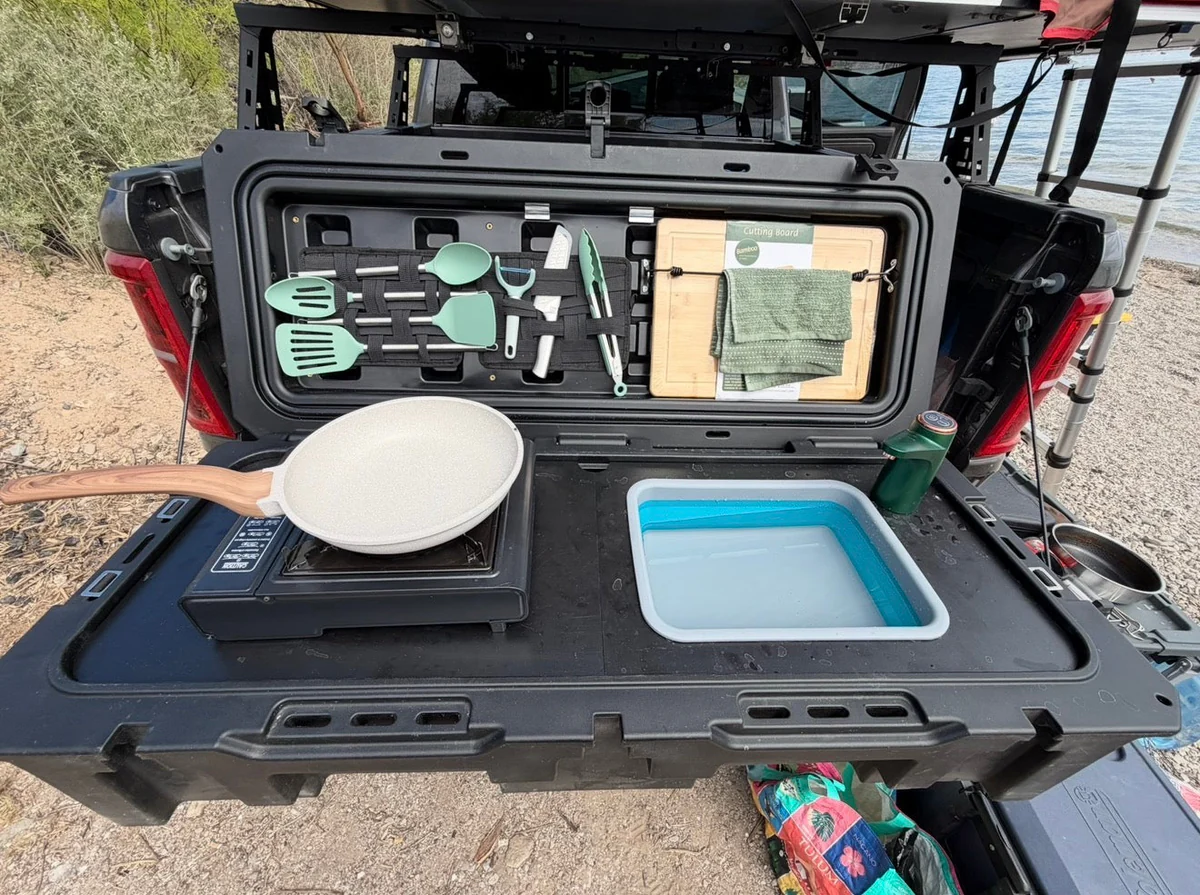
You finally booked the campsite. The truck is loaded, the cooler is packed, and the kids are asking when you’re leaving. Then it hits you on the drive up: did you remember the can opener? The salt? A way to wash the dishes? Half the people who come back from their first camping trip swear they’re never going again, and almost all of them blame the food situation. Burnt eggs, cold coffee, plates eaten off a tree stump.
Here’s the truth most camping blogs won’t tell you: you don’t need a master’s degree in bushcraft to eat well outdoors. You need a proper camp kitchen. Not a Pinterest-perfect aesthetic build, but a real, functional setup that gets you from “we’re here” to “dinner’s ready” in under fifteen minutes. This guide walks through exactly what belongs in a beginner’s camp kitchen, why each piece matters, and where most newcomers get tripped up.
There’s a romantic idea that “roughing it” means cooking over a stick and washing your hands in a stream. That works for one night. By night three, you’re tired, hungry, and short-tempered, and the magic of the outdoors fades fast when you’re digging through three different bags trying to find the spatula.
A dialed-in camp kitchen does three things that change the entire trip: it cuts setup time, it keeps food prep sanitary, and it makes cleanup something you actually finish instead of putting off until morning. Once you’ve cooked one real meal at a campsite — hot eggs in the morning, a proper steak at sunset — going back to gas-station snacks feels like a downgrade.
Start here, because everything else is secondary. Without a reliable heat source and a few solid pans, you’re eating cold sandwiches for the entire trip.
A note on stoves: the temptation is to buy the cheapest one at a big-box store. Don’t. A flimsy stove that won’t simmer ruins more meals than any other piece of gear. Spend the money once. Look for a model with a windscreen built into the lid, separate flame controls per burner, and a piezo igniter that works without matches. If you camp in cold weather, propane stoves struggle below freezing — a butane setup or a propane stove with a pressure regulator handles those mornings far better.
Beginners often ask whether they need a Dutch oven, a griddle, a percolator, or a thermal cooker. The honest answer for trip one is: no. A frying pan, a pot, and a stove handle 90 percent of the recipes you’ll actually want to cook for a long weekend. Once you’ve done a few trips and figured out the food you actually crave outdoors, you can add specialty gear. Buying every accessory before your first trip almost guarantees you’ll lug ten pounds of unused gear on every outing for the next three years.
Here’s where most first-time campers underestimate the workload. You will use far more water than you think — for cooking, drinking, brushing teeth, and washing dishes. Plan on at least one gallon per person per day, plus extra for cleanup.
The new generation of all-in-one camp kitchens has changed this category completely. Setups like the VOZ kit available at campkitchen.us include a built-in collapsible sink, a USB-rechargeable faucet, and a 2-gallon water tank inside a single weatherproof case — which solves the entire water-and-dishwashing problem in one purchase. For first-timers who don’t want to piece a system together, that’s the shortcut.
A great cook with a chaotic kitchen is a frustrated cook. The difference between a fun trip and a miserable one is often whether you can find the salt without unpacking the entire vehicle.
You don’t need to bring your entire spice rack. You need the right ten things.
Cooking in the dark is dangerous and slow. Cooking in someone else’s headlamp beam while they make hand gestures is worse.
This is the boring section that experienced campers care about most.
Marketing makes you think you need every gadget on the shelf. You don’t. Skip these on your first trip and add them later if you actually miss them:
Once your camp kitchen is dialed, here’s what arrival should look like. Park. Open the kitchen container. Set up the stove on a flat surface and position it out of the wind. Fill the water container. Hang the camp light. Lay out the cutting board, knife, and utensils. Pre-position your trash and dish-washing zones a few feet away from the cooking surface so the cleanup workflow is obvious. From wheels stopped to first match struck: fifteen minutes, max.
That’s the goal. Not perfection — a system. The campers you see at the next site over who seem to glide from drive-in to dinner aren’t doing magic; they’re doing this exact list, and they’ve done it enough times that it’s muscle memory.
A complete camp kitchen is one of the few outdoor purchases that pays for itself in saved meals, saved time, and saved tempers. Start with the cooking core, fix your water-and-washing problem next, and add comfort gear over time. Within three or four trips, you’ll have a setup that takes minutes to deploy, fits in one corner of the trunk, and turns every campsite into somewhere you actually want to spend the evening.
One last piece of advice for first-timers: do a dry run in the driveway. Pull everything out of the storage box, set up the kitchen on the patio or driveway, and cook a real meal as if you were at camp. You will discover three things you forgot, two things you overpacked, and one piece of gear that doesn’t actually work the way you assumed. Better to find that out at home, twenty feet from the kitchen sink, than at a campsite three hours from the nearest hardware store. Veteran campers do this every single time before a long trip, even after years of experience, because gear changes, your menu changes, and the cost of a forgotten item compounds the further you are from town.
Finally, take notes after each trip. Just a few lines: what worked, what didn’t, what you wished you had, what you packed and never used. Three trips of notes will turn into a personal camp kitchen blueprint that’s more useful than any checklist a stranger on the internet can write. Yours is the only one tuned to how you actually cook, what your family actually eats, and which corners you can comfortably cut.
The first night you eat a hot, properly seasoned meal under the stars — with clean dishes and no panic about where you put the spatula — you’ll understand why people build their year around camping. The right kitchen makes the difference. Build yours, and the rest of the trip takes care of itself.
If you enjoy PWInsider.com you can check out the AD-FREE PWInsider Elite section, which features exclusive audio updates, news, our critically acclaimed podcasts, interviews and more by clicking here!