Want more wrestling news, rumors, and results? Be sure to visit PWInsider.com and PWInsiderXtra.com.
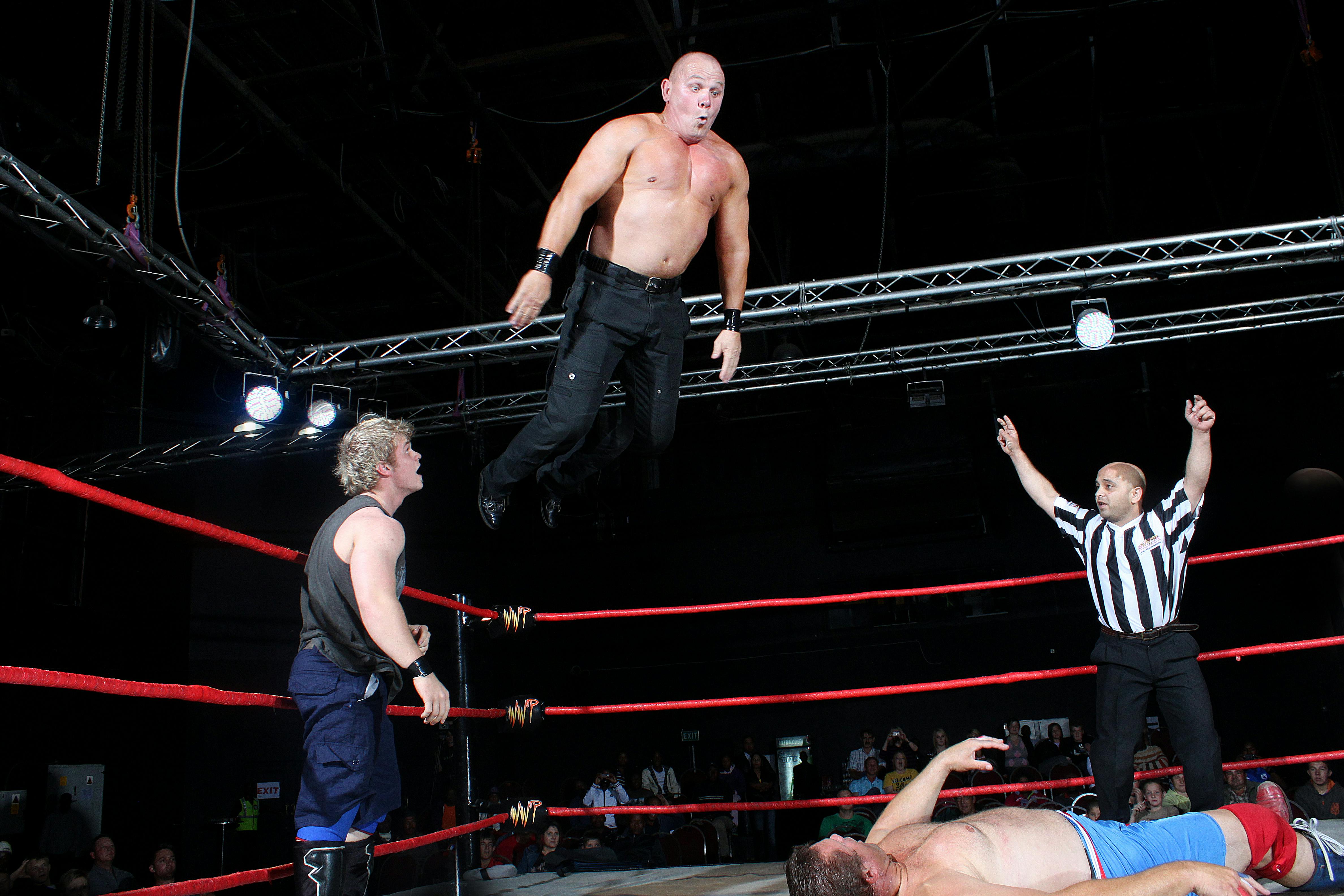
Wrestling fans often debate whether knowing the script ruins the magic of the ring. This article explores whether wagering on predetermined outcomes adds a new layer of tension or undermines the shock that makes professional wrestling work.
Professional wrestling occupies a unique space between competitive sport and theatrical performance. You follow storylines for months, invested in the triumphs and failures of your favorite characters.
Unlike traditional sports, outcomes are shaped by long-term narratives rather than split-second execution. The introduction of betting markets into this scripted world reshapes how that investment is experienced.
It used to be that to enjoy wrestling, you had to suspend your reality altogether. You had to be physically present at the combat sport venue or glued to your TV, hoping your favorite wrestler would emerge victorious. But that is no longer the case.
Rather than simply being concerned with in-ring activity, the awareness shifts to intent and timing. Each interference, promo push and linger of the camera's eye becomes a calculated act. Rather than the drama living solely between the ropes, it also lives backstage. You are no longer simply a passive fan, watching and waiting. You are a reader of signs.
Market research conducted in early 2025 by Deep Market Insights shows the global market for wrestling is worth approximately 6.3 billion dollars. This rise in value comes mainly from digital revenue.
What makes this industry unique is the fact that fans are no longer content to view. According to Voices of Wrestling in July 2025, there is as yet no precise regulation regarding fair oversight of gambling in staged shows.
Betting on a predetermined outcome feels counterintuitive. Yet markets appear for every significant premium live event. Oddsmakers focus less on athletic probability and more on narrative momentum. Television exposure, crowd reactions and historical booking trends shape the lines.
Sharp fans recognize these signals early. A wrestler gaining extended promo time or avoiding clean losses often points toward future elevation. Understanding these cues transforms betting into pattern recognition rather than guesswork.
To track how odds evolve throughout a television cycle, view more from thelines.com, which monitors market movement tied to storyline shifts.
This approach reframes fandom into a strategy. You stop asking who should win and start asking who benefits most from winning right now. Recent 2025 Oddschecker data shows top stars like Roman Reigns consistently priced as heavy favorites in major matches, reflecting long-term narrative protection rather than competitive balance.
Having a financial investment alters what a match is like. Now, every attempt at a pin means something, no matter how inconsequential a game may seem. The near fall is no longer a dramatic highlight. It’s a point of risk.
This is what drives your involvement in a mid-card bout. You respond to finishes of a type that would otherwise be banal. The act of a disqualification or a count-out becomes more a source of frustration than a source of apathy. The feeling is hard to create through storytelling alone.
In July 2025, a report from GammaStack estimated that the global betting industry would reach 124 billion dollars by the end of the year. This indicates the blending of gambling and entertainment activities. Professional wrestling aligns with this model, providing entertainment through tension without competition.
The most significant concern remains predictability. When betting lines heavily favor one outcome, suspense can erode. Predictability, not scripting, is the real threat to wrestling’s appeal. If the ending feels inevitable, the effort inside the ring loses impact.
Promotions are aware of this risk. Creative teams sometimes adjust finishes to counter betting expectations, preserving shock value. Late odds movement can hint at last-minute changes, keeping uncertainty alive. This back-and-forth creates a secondary narrative running alongside the broadcast.
Wikipedia records from SummerSlam 2025 show that, even with heavy wagering interest, surprise returns like Brock Lesnar still stunned crowds of over 60,000. The existence of betting markets has not eliminated moments of shock, but it has changed how they are anticipated.
Enjoyment is related to engagement style. Some fans prefer to avoid the odds altogether, to maintain the surprise above all else. Then some fans find the additional aspect of decoding the creative intent appealing. Betting on wrestling has nothing to do with fairness or odds. It has to do with foresight.
Spectacle remains at the forefront. Stakes reset focus. Rather than watching a story develop, you try to guess what the next installment will be. Whether this improves or detracts from the experience is up to one’s level of acceptance of the meta-game.
With the expansion of their live wrestling investment by platforms such as Netflix and Max through 2025, dual-layer consumption is expected to increase as well. The ring is yet to lose its magic. It has acquired a second lens, too.
If you enjoy PWInsider.com you can check out the AD-FREE PWInsider Elite section, which features exclusive audio updates, news, our critically acclaimed podcasts, interviews and more by clicking here!