
Want more wrestling news, rumors, and results? Be sure to visit PWInsider.com and PWInsiderXtra.com.
For decades, professional wrestling made its money the old-fashioned way: tickets, pay-per-view, and television. The live gate—fans filling arenas to see stars in person—was the lifeblood of promoters from Madison Square Garden to Wembley. The more seats filled, the healthier the business looked. In the 1980s and 1990s, Vince McMahon and the WWF (now WWE) turned wrestling into a pay-per-view machine. Events like WrestleMania or SummerSlam were pitched as once-in-a-year spectacles, drawing millions of buyers.
Television rights provided the steady backbone. Networks understood wrestling was “appointment viewing,” a weekly soap opera that delivered reliable ratings. That made it incredibly valuable, even before streaming platforms rewired the industry.
Interestingly, the way promoters guarded these revenue streams mirrors other entertainment sectors. Just as boxing leaned heavily on pay-per-view fights and cinemas relied on ticket sales before digital rentals, wrestling clung to a traditional model longer than most. Fans were trained to see the live event or the monthly pay-per-view as the primary way to participate. The ritual of gathering with friends, ordering the broadcast, and watching together became part of wrestling culture itself.
Today, wrestling still makes money from these sources, but the mix has changed dramatically. Much like Google Pay online casinos introduced new payment rails for gambling, wrestling’s revenue model has had to adapt to new ways fans consume content—and more importantly, pay for it.
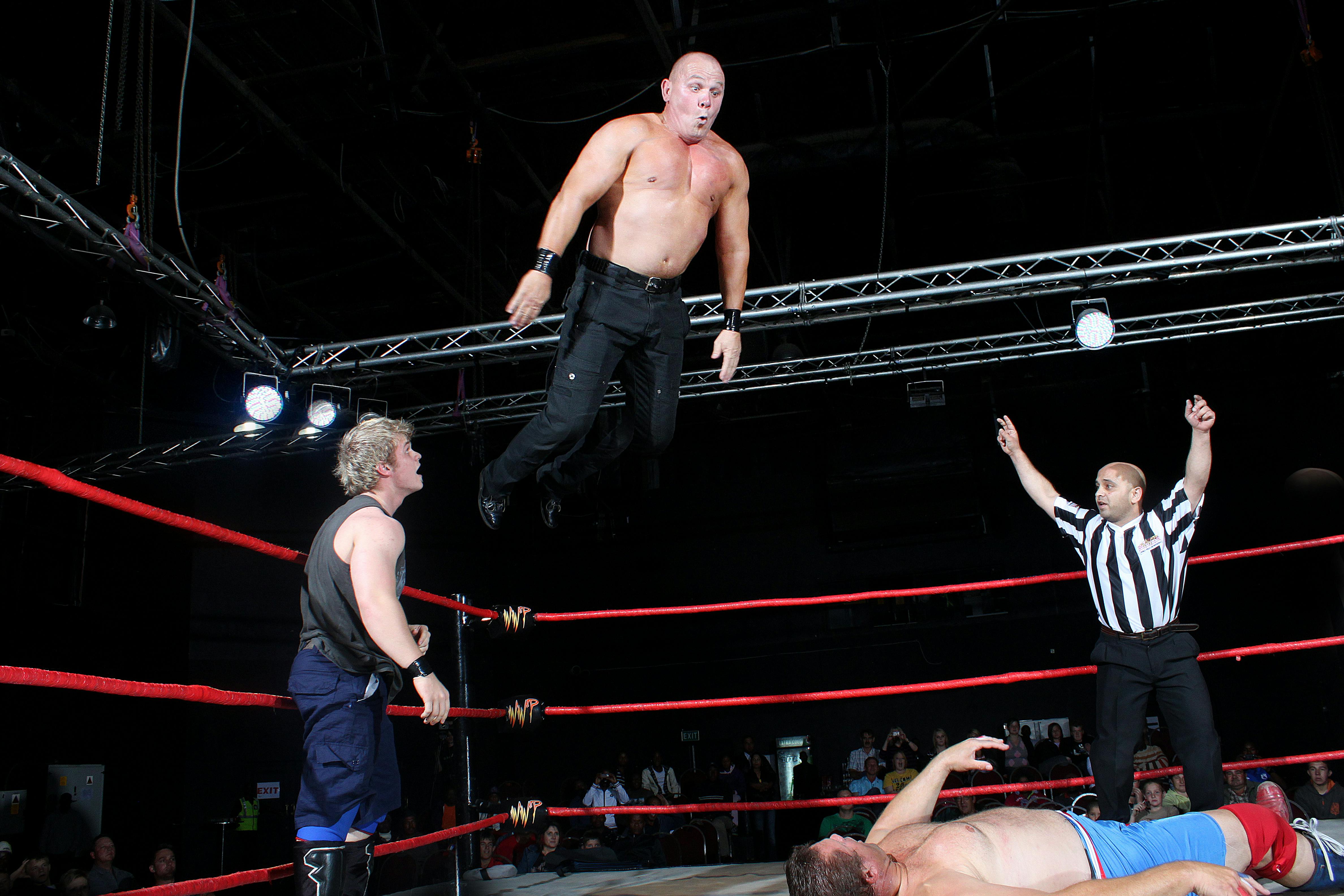
As wrestling audiences shifted online, promoters realised they couldn’t lean solely on ticket buyers and cable subscribers. Diversification became the key. If the 1990s were about maximising pay-per-view buys, the 2010s were about expanding the pie altogether.
Merchandise—always a factor—exploded into a revenue driver of its own. From T-shirts bearing the Austin 3:16 slogan to replica championship belts, merch became a cultural signifier. Fans weren’t just viewers; they were walking billboards. The rise of online retail only supercharged this trend. Wrestlers now market their own branded items through digital storefronts, often making more from shirts than from their actual bookings.
Digital subscriptions added another layer. WWE Network’s launch in 2014 marked a bold shift: instead of charging $50 for a single pay-per-view, WWE offered the entire library and live shows for $9.99 a month. While controversial at first, the move changed fan expectations forever. Wrestling became part of the streaming bundle economy, akin to Netflix or Spotify.
Sponsorships also stepped into the spotlight. From energy drinks to gaming tie-ins, wrestling companies increasingly rely on corporate partnerships. A wrestler’s entrance attire or a pay-per-view event itself may carry a sponsor’s logo.
To put it simply, the model went from three legs (tickets, pay-per-view, TV) to a six-legged table (tickets, TV, streaming, merch, sponsorships, and licensing). That stability matters. If one stream falters—say, live gates during a pandemic—the others keep the business afloat.
The WWE-Peacock partnership in 2021 was more than a rights deal; it was a signal that wrestling had fully embraced streaming as its financial engine. Peacock, NBCUniversal’s streaming service, absorbed the WWE Network, gaining exclusive rights to the company’s pay-per-views, archives, and documentaries.
For WWE, the benefits were clear: guaranteed money up front and access to a wider potential audience than the standalone Network could reach. Peacock gets millions of subscribers through bundling and cross-promotion, meaning WWE events are now discoverable alongside Premier League soccer or The Office.
Financially, this deal de-risked WWE’s revenue. Instead of depending on fluctuating monthly subscribers, they get a stable licensing fee. For fans, the experience became cheaper—major events now come included in a basic Peacock subscription rather than $50 each.
But the implications go deeper. Wrestling is no longer an outlier in entertainment. It now follows the same logic as Hollywood studios selling rights to Netflix or sports leagues packaging content for Amazon Prime. The PPV “event” is still marketed as a must-watch, but it’s folded into a streaming subscription that defines modern media consumption.
The only question is sustainability. As streaming platforms pile up costs, the profitability of bundling everything under one roof remains to be tested. Wrestling may once again need to pivot, but for now, Peacock provides a steady anchor.
Not every promotion has the luxury of a billion-dollar media deal. All Elite Wrestling (AEW), New Japan Pro Wrestling (NJPW), and countless independents rely on a patchwork of digital strategies to reach fans.
AEW, backed by the Khan family’s wealth, struck a TV deal with Warner Bros. Discovery, giving it mainstream visibility in the U.S. But it supplements that with its own YouTube shows, merchandise lines, and pay-per-view events that still feel “traditional.” AEW is not yet ready to abandon the $50 pay-per-view model, but it builds buzz through free online content that keeps fans hooked.
NJPW runs New Japan World, a subscription service akin to the old WWE Network. While its global penetration is modest, it shows how even mid-sized promotions see direct-to-consumer streaming as essential. For Japanese fans, the service is a digital lifeline, offering both live shows and historic matches.
Independent promotions lean heavily on social platforms and niche streaming deals. Many use services like FITE TV or even Patreon-like memberships to sustain themselves. These smaller outfits are often more experimental, offering fans behind-the-scenes content, wrestler-led podcasts, or live-streamed training sessions.
The diversity of these models shows there is no single “correct” digital path. Instead, promotions size their strategy to their audience. AEW aims for scale; NJPW leans into niche loyalty; independents focus on intimacy and direct connection.
Wrestling’s digital transformation doesn’t happen in a vacuum. It reflects broader shifts in how entertainment industries make money. Music once relied on album sales; today it’s streaming, merch, and touring. Video games used to sell cartridges; now they thrive on microtransactions, downloadable content, and subscriptions like Xbox Game Pass. Even traditional sports teams have leaned into memberships, digital fan clubs, and sponsor-driven branding.
Wrestling has found its equivalent. Instead of depending on one-off pay-per-view purchases, companies now chase recurring income streams. A fan may spend:
$10 a month on a streaming subscription,
$30 on a new T-shirt,
$50 on a pay-per-view ticket for a local show,
and perhaps $20 on a wrestler’s Patreon content.
That layering of revenue mirrors what Spotify and Fortnite have achieved: making fans feel they’re part of an ecosystem rather than isolated transactions.
Where wrestling differs is in the intensity of its fandom. Unlike casual moviegoers, wrestling fans often see themselves as part of the story, chanting in arenas, debating storylines online, and buying merch as an extension of identity. That loyalty translates into spending habits few industries can match.
If you enjoy PWInsider.com you can check out the AD-FREE PWInsider Elite section, which features exclusive audio updates, news, our critically acclaimed podcasts, interviews and more by clicking here!