
Want more wrestling news, rumors, and results? Be sure to visit PWInsider.com and PWInsiderXtra.com.

Source: Pexels
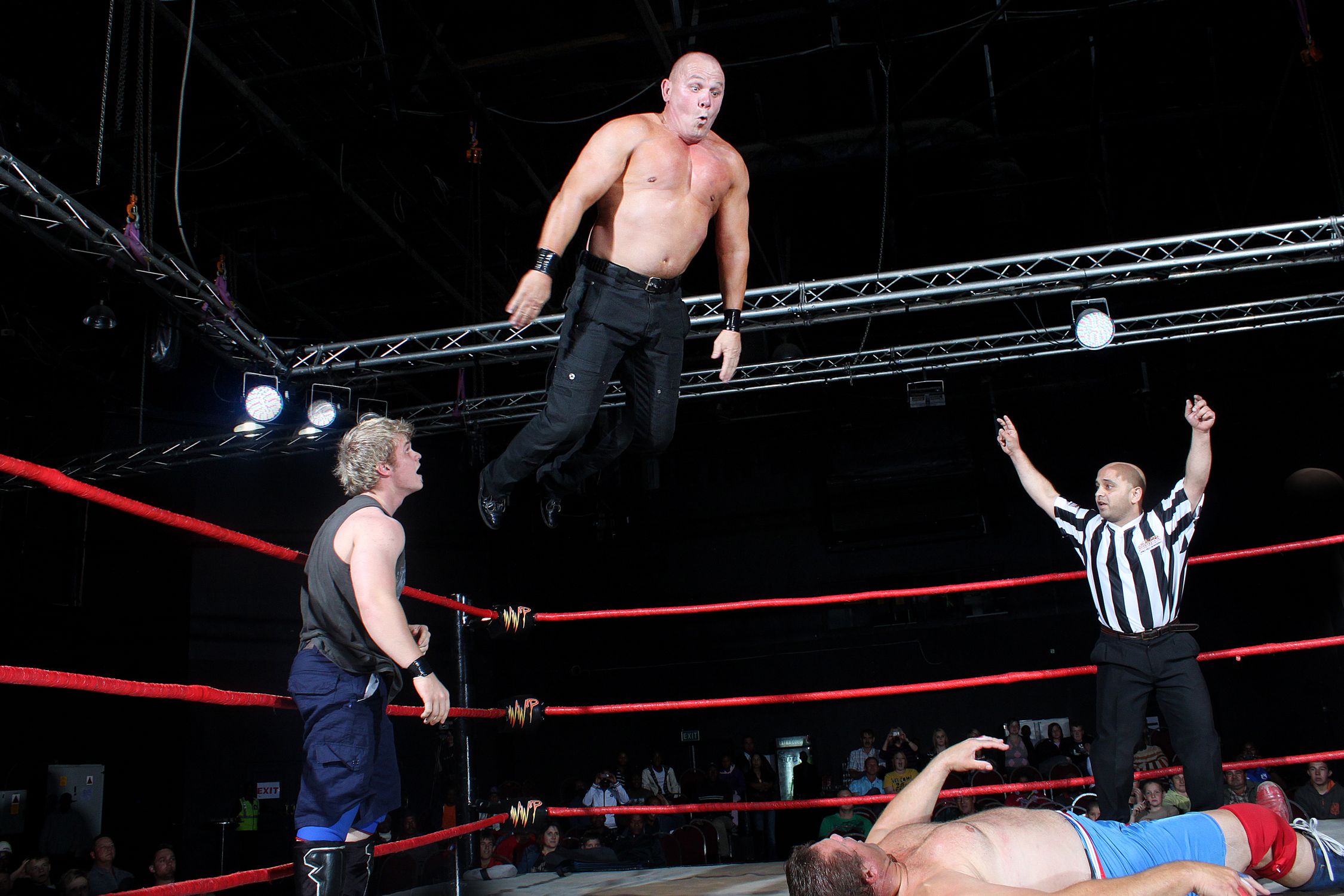
WWE is over 70 years old and it’s believed that the first event was held in 1953 under the name Capitol Wrestling Corporation. It’s not known exactly who founded the organisation, but some have speculated that it was Vince J. McMahon or his father Jess McMahon. At the time, wrestling wasn’t very popular and remained a somewhat niche sporting event. Mainly popular in the Midwest, it wasn’t until the 1960s that a World Wide Wrestling Federation was created.
The first WWWF event took place in 1963 and was won by Buddy Rogers who then lost to Bruno Sammartino. Sammartino then held the title of almost eight years which made it the longest world championship reign of all time- still unbeaten decades later.
In the 1970s, WWWF became more popular as thousands flocked to stadiums to watch matches. The 1980s was known as the Golden Era of wrestling and under the leadership of Vince McMahon, WWF was syndicated on television across the US and the world. He signed a number of big names like Hulk Hogan and was able to start selling wrestling tapes, further increasing revenue. By the mid to late 80s, wrestling was considered a legitimate sport and had also become a subject of enormous celebrity appeal.
By the 90s, WWF was famous throughout the world with millions tuning in to watch matches live. Millions more bought merchandise such as videos, t-shirts, and tickets for matches and other wrestling events.

Source: Pexels
But what goes up must come down. By the mid to late 2010s, wrestling had lost its cool. As many other trends wax and wane, so too did wrestling. After the Attitude Era and the rebranding of WWF to WWE, many fans lost interest and looked elsewhere.
It was nothing to do with the content- matches still went on powered with as much excitement and as before. Nowadays the WWE struggles to get 2 million viewers to tune in- a far cry from the days when 10 million viewers would watch shows multiple times a week. So, what caused it to fall by the wayside?
Much of the lack of interest has been put down to the saturation of different kinds of entertainment. Now, sports fans can tune in and watch an almost endless variety of different sporting games via streaming services and the internet. The sheer amount of competition out there means that demand for wrestling just isn’t there.
But it’s not just sports- Netflix, Apple, Amazon, etc are all vying for consumers' attention meaning that the market share of the target age group is spending their time elsewhere. Additional interests such as online gambling, which has seen a huge increase in popularity in the last couple of years, according to European Gaming, are also taking viewers away from WWE.
Increased smartphone usage and faster internet connections have seen more millennials choosing sites that include simple tools that help them to find online entertainment to get their kicks. The likes of Casino Wings are offering varied selections of different casino games, which provide consumers with the diversity they crave, while they are on the go. This is just one example of what wrestling is up against in 2021.
With so much choice out there, wrestling tends not to be at the forefront of people’s minds. Furthermore, with over 70 years of history, fans are looking for something new that WWE just hasn’t been providing.
The solution is wrestling organisers and magnates putting some serious effort into rediscovering what fans want. The industry has changed, and the target audience is looking for something new. It’s no longer enough to stick to the same routines and storylines, consumers want cutting-edge technology and matches that challenge the status quo. If they don’t, there’s a chance WWE will remain stuck and flailing in the 80s and 90s heyday.
If you enjoy PWInsider.com you can check out the AD-FREE PWInsider Elite section, which features exclusive audio updates, news, our critically acclaimed podcasts, interviews and more by clicking here!












 Bang On Casino